Languedoc-Roussillon: A Guide
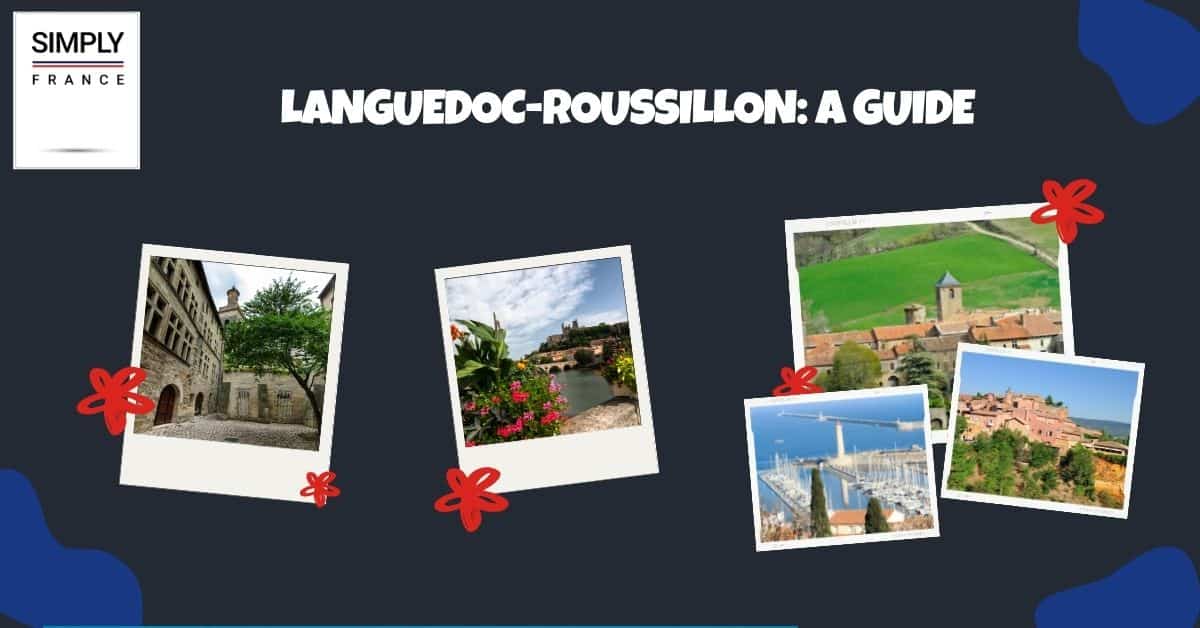
If you’re looking for an off-the-beaten-path destination in France, Languedoc-Roussillon is worth a visit. This region is located in the south of the country and is known for its stunning coastal views, rich history, and delicious food and wine. Here’s what you need to know about planning a trip to Languedoc-Roussillon.
What Is Languedoc-Roussillon and Its History
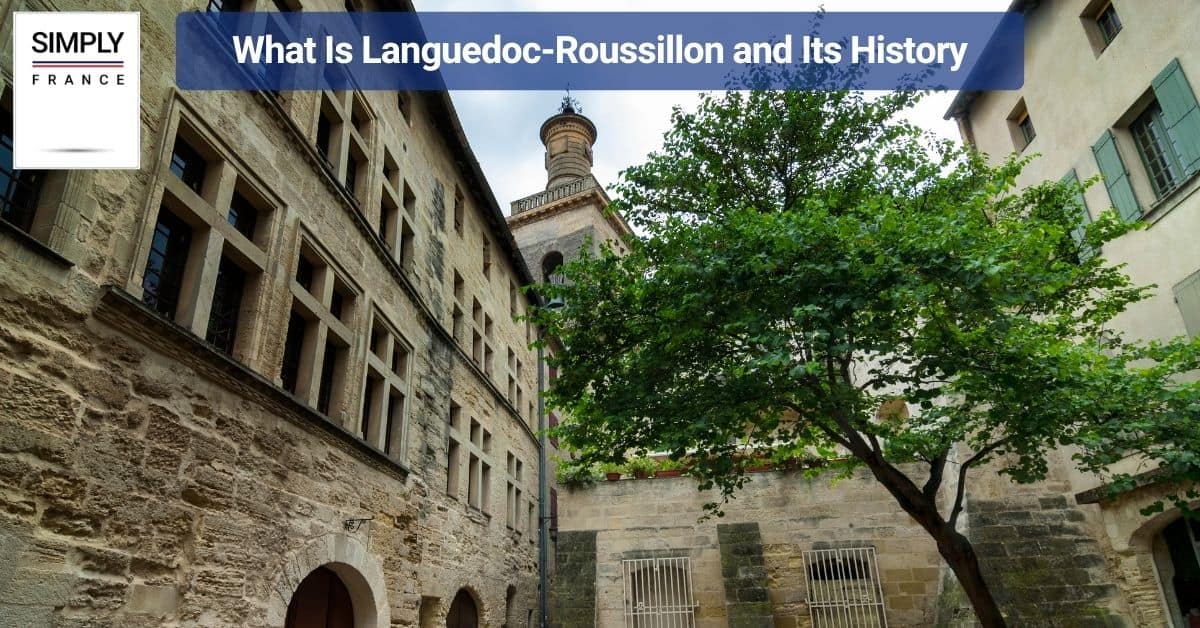
Languedoc-Roussillon is a region located in the South of France. The region has a long and varied history, dating back to the Roman era. In later centuries, the region was controlled by the Visigoths and then the Arabs. The population of Languedoc-Roussillon is ethnically diverse, with French, Spanish, and Catalan speakers all represented.
The Languedoc-Roussillon is located in the south of France. It is bounded by the Mediterranean Sea to the east and the Pyrenees mountains to the south. The region is known for its sunny climate, beautiful landscapes, and historical heritage. It is home to some important towns and cities, including Montpellier, Nîmes, and Perpignan. The region is also famous for its wines, particularly those from the Rhône Valley.
The Languedoc-Roussillon is also home to some minority groups, including the Occitan people. Today, it is a popular tourist destination, known for its Mediterranean climate and its stunning coastline. The region is also renowned for its wines, and many of its towns and villages feature picturesque vineyards.
With its stunning scenery and diverse culture, Languedoc-Roussillon is an ideal destination for both holidaymakers and History buffs alike.
When Is The Best Time To Visit
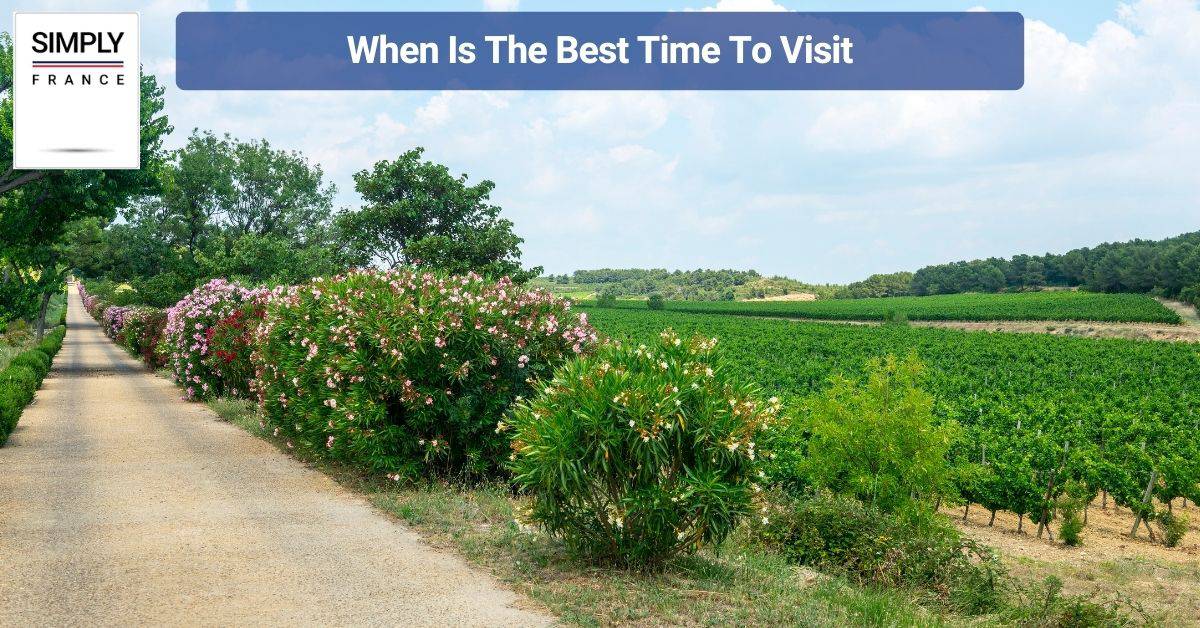
Languedoc-Roussillon is a popular tourist destination in France, and for good reason. The region boasts beautiful weather, stunning scenery, and rich cultural heritage. So when is the best time to visit?
The answer depends on what you’re looking for. If you’re interested in exploring the region’s history and culture, then the best time to visit is between April and June, when the weather is mild and there are fewer crowds. July and August are the busiest months, so if you prefer to avoid crowds, then plan your trip for another time.
September and October are also good times to visit, as the weather is still pleasant and the landscapes are beginning to change color with the autumn leaves.
No matter when you decide to visit Languedoc-Roussillon, you’re sure to have a wonderful time. With its beautiful weather, stunning scenery, and rich cultural heritage, the region has something to offer everyone. So start planning your trip today – you won’t regret it!
How To Get There
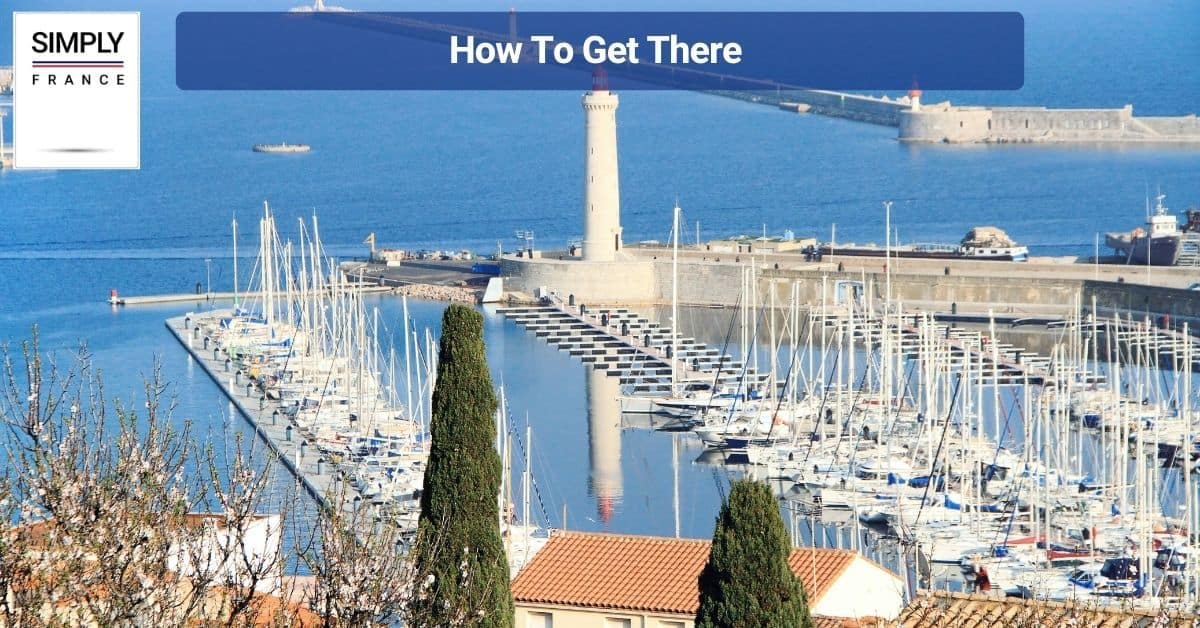
Languedoc-Roussillon is one of the most popular tourist destinations in France. The region is full of beautiful scenery, historical landmarks, and great food. Most visitors choose to fly into the nearby city of Marseille and then drive to Languedoc-Roussillon. However, there are several other options for getting to the region.
For those coming from within France, the easiest way to get to Languedoc-Roussillon is by train. The high-speed TGV trains connect Marseille with several other major French cities, including Paris, Lyon, and Montpellier. The journey from Paris to Marseille takes around six hours, while the journey from Lyon takes just over four hours. Tickets can be booked in advance on the SNCF website.
For those coming from further afield, the best option is to fly into Marseille Provence Airport. The airport is located just over an hour’s drive from Languedoc-Roussillon and has direct flights from some European cities, including London, Berlin, and Amsterdam. Once you’ve arrived at the airport, you can either rent a car or take the shuttle bus into Marseille city center and then catch a connecting train or bus to your final destination.
Attractions To See In Languedoc-Roussillon
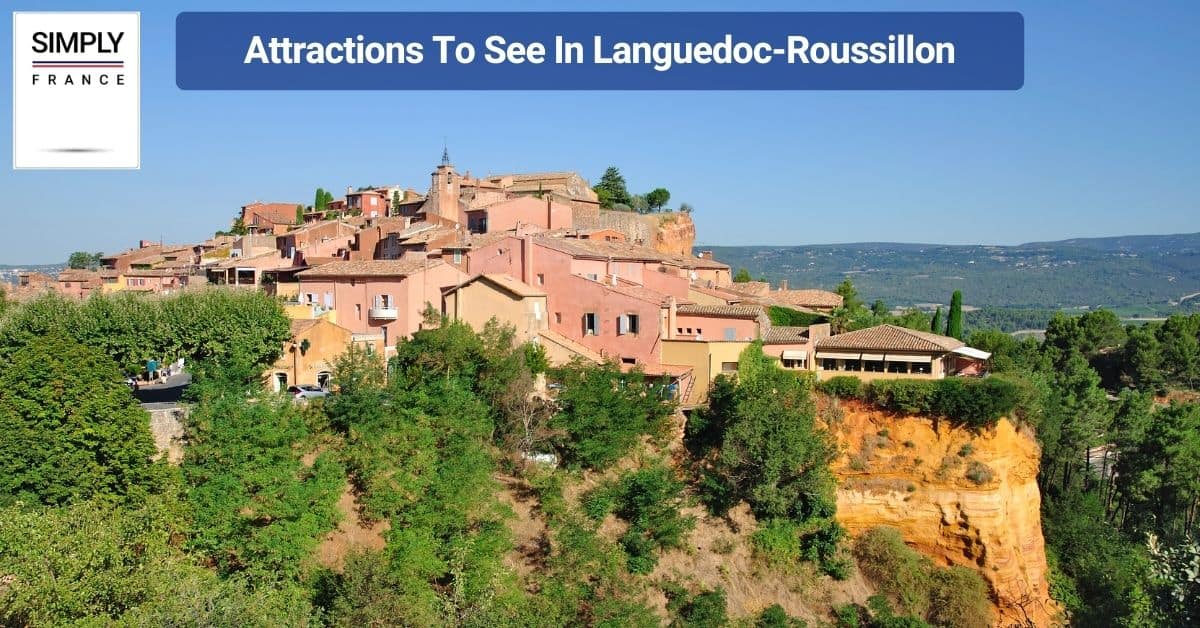
There are plenty of reasons to visit the Languedoc-Roussillon region of France – from its stunning Mediterranean coastline to its historic towns and villages. Here are just five of the many attractions that this beautiful area has to offer:
Pont du Gard
The Pont du Gard is a Roman aqueduct that was built in the 1st century AD. It is located in Languedoc-Roussillon, France. The Pont du Gard is made up of three tiers of arches, with the highest tier rising to a height of 48.8 meters (160 feet).
The aqueduct carried water for 50 kilometers (31 miles) from a spring in the town of Ucetia (present-day Uzès) to the Roman city of Nîmes. It is one of the best-preserved Roman monuments in the world.
Address: 400 Rte du Pont du Gard, 30210 Vers-Pont-du-Gard, France
For pictures, booking, and more information, click here.
Carcassonne
Carcassonne is a beautiful city in the Languedoc-Roussillon region of southern France. The city is famous for its medieval fortifications, which date back to the 13th century. The walls and towers of the Carcassonne castle offer stunning views of the surrounding countryside, and the castle itself is a popular tourist destination.
In addition to its historical importance, Carcassonne is also home to some excellent restaurants and cafes, making it a great place to visit for both history and food lovers alike.
Address: Carcassonne 11000, France
Canal du Midi
The Canal du Midi is a man-made waterway in the south of France that connects the Mediterranean Sea to the Atlantic Ocean. Construction of the canal began in 1666 and was completed in 1681. The canal is 240 kilometers long and has a total of 60 locks.
It is used for both commercial and recreational purposes. The Canal du Midi is considered one of the greatest engineering achievements of the 17th century.
For pictures, booking, and more information, click here.
Cévennes National Park
The Cévennes National Park is located in the Languedoc-Roussillon region of France. It covers an area of 562 square kilometers and was established in 1970. The park is home to a diverse range of flora and fauna, as well as some historical and cultural landmarks. The landscape of the park is characterized by rugged mountains, forests, and limestone gorges.
The highest point in the park is Mont Aigoual, which stands at 1,567 meters above sea level. Popular activities in the park include hiking, mountain biking, and horse riding. There are also a number of tourist attractions, such as the Musée de la GrandeChartreuse and the Château de Montségur.
To know more about Cevennes National Park, read: A Walk Through Guide To Cevennes National Park
Address : 6 bis Pl. du Palais, 48400 Florac-Trois-Rivières, France
For pictures, booking, and more information, click here.
Roman ruins of Nîmes
The Roman ruins of Nîmes are some of the best-preserved in all of Europe. Located in the Languedoc-Roussillon region of southern France, the ruins date back to the 1st century AD and include an amphitheater, a temple, and a bath complex. The amphitheater, known as the Arena of Nîmes, is particularly well-preserved and is still used for events and concerts today.
The temple is dedicated to Augustus, the first emperor of Rome, while the baths complex would have been used for public bathing and relaxation. The ruins of Nîmes offer a fascinating glimpse into Roman life and culture and are well worth a visit for anyone interested in history or architecture.
Address: 6 Bd des Arènes 30000 Nimes, France
For pictures, booking, and more information, click here.
Where To Stay
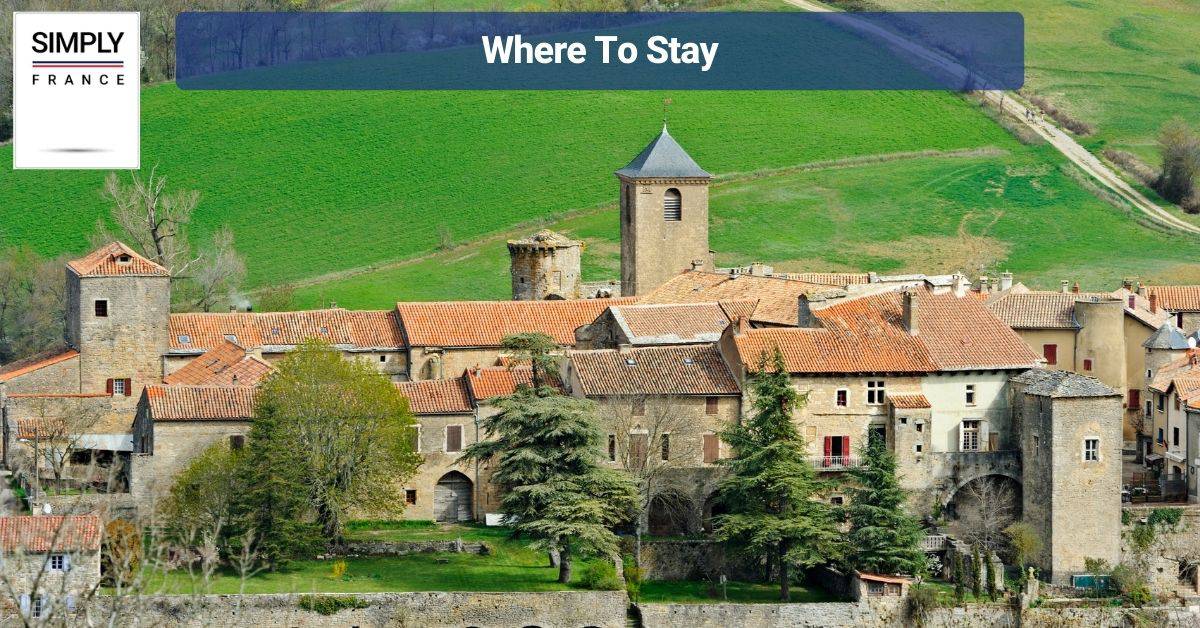
While the Languedoc-Roussillon region of France is not as well-known as some of the country’s other popular tourist destinations, it offers a unique and fascinating history, culture, and landscape that is well worth exploring. And, with a wide range of accommodation options available, there is sure to be something to suit every taste and budget.
Chateau de Flayosc
For those looking for a luxurious experience, the Chateau de Flayosc is an elegant 18th-century castle that has been converted into a boutique hotel. Nestled in the Provencal countryside, the chateau offers breathtaking views, world-class cuisine, and sumptuous rooms and suites.
La Maison des Vignerons
For something a little more rustic, La Maison des Vignerons is a charming bed and breakfast located in the heart of the wine country. Guests can enjoy stunning vineyard views, peaceful walks through the vineyards, and delicious regional dishes made with fresh, local ingredients.
Les Hauts de Montpellier
Finally, for those on a tight budget, Les Hauts de Montpellier is a small hostel that offers simple but comfortable rooms in the center of Montpellier. Guests can make use of the hostel’s kitchen facilities to prepare meals, or take advantage of the many restaurants and cafes that are within walking distance.
No matter what your budget or preferences may be, there is sure to be an accommodation option in Languedoc-Roussillon that will suit your needs.
Must-Try Food and Drink
Languedoc-Roussillon is one of the most beautiful regions in France, and it is also home to some of the country’s best food and drink. Here are five must-try items from this area:
1. Muscat de Rivesaltes: Muscat de Rivesaltes is a fortified wine made in the Roussillon region of France. The wine is made from Grenache Noir, Grenache Blanc, and Muscat Blanc grape varieties. It is fortified with brandy, and typically has an alcohol content of around 15%.
The wine is aged for a minimum of six months in oak barrels before being bottled. Muscat de Rivesaltes has a rich, sweet flavor, with aromas of fruits such as raisins and apricots. It is typically served as an aperitif or dessert wine.
2. Cassoulet de Toulouse: The Cassoulet de Toulouse is a traditional French dish that originates from the city of Toulouse. The dish is made with various beans, meats (typically pork and sausage), and vegetables, all slow-cooked in a casserole dish. While there are many variations of the Cassoulet de Toulouse, the most common ingredients include white beans, duck confit, pork belly, and sausage.
The dish is usually served with a crusty baguette, and it can be made ahead of time, making it ideal for entertaining. With its rich flavor and hearty ingredients, the Cassoulet de Toulouse is a classic French dish that is sure to satisfy any appetite.
3. Choucroute Garnie: Choucroute Garnie is a classic Alsatian dish consisting of sauerkraut, bacon, sausage, and potatoes. The sauerkraut is slowly simmered with white wine and juniper berries, yielding a tender, flavorful dish. The bacon and sausage add richness to the dish, while the potatoes provide a hearty foundation.
Choucroute Garnie is typically served with mustard and pickles, making it a perfect meal for chilly winter days. While it may take some time to prepare, Choucroute Garnie is well worth the effort.
4. Quiche Lorraine: The Quiche Lorraine is a classic French dish that is perfect for a light lunch or a simple supper. The quiche is made with a delicate egg custard, flavored with Gruyere cheese, bacon, and onions. The custard is then baked in a shortcrust pastry case until it is golden and set. Serve the quiche warm or cold, with a salad of crisp greens. Delicious!
5. Tarte Tatin: The Tarte Tatin is a French dessert that consists of an upside-down tart made with apples. The dish is named after the Tatin sisters, who allegedly created the dish by accident when they forgot to put the crust on top of their apple tart. The apples are cooked in sugar and butter until they caramelize, then placed on top of a puff pastry or shortcrust pastry shell.
The tart is then baked in the oven until the crust is golden brown. While the Tarte Tatin is often served with ice cream or whipped cream, it can also be enjoyed on its own. Regardless of how you enjoy it, this delicious treat is sure to leave you feeling satisfied.
If you’re looking for a taste of France, be sure to try these five dishes from Languedoc-Roussillon. Bon appétit!
Read, 10 Best Restaurants In Languedoc-Roussillon, France for a detailed guide on where you can try this mouthwatering food.

Tips When Visiting
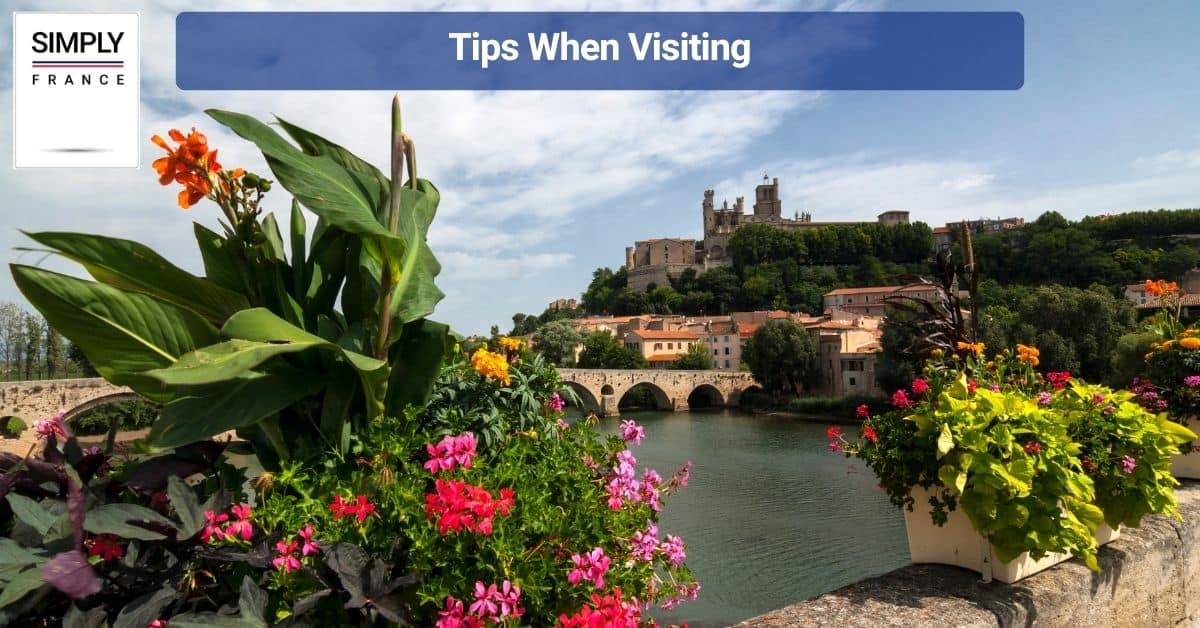
Languedoc-Roussillon is a beautiful region in the south of France with a lot to offer visitors. Here are a few tips to help you make the most of your trip:
First, be sure to visit some of the region’s many vineyards. Languedoc-Roussillon is one of the largest wine-producing regions in France, and it is home to some of the country’s most prestigious wineries. Whether you’re a wine connoisseur or just looking to try something new, you’ll be sure to find a wine that you love in Languedoc-Roussillon.
Second, take advantage of the region’s Mediterranean climate and spend some time outdoors. Languedoc-Roussillon has many beautiful beaches, hiking trails, and parks for you to explore. It is also known for its excellent food, so be sure to sample some of the local cuisines while you’re here.
Finally, don’t forget to visit some of the region’s historic towns and cities. Languedoc-Roussillon has a rich history dating back thousands of years, and there are plenty of sites and museums for you to learn about the region’s past.
Whether you’re interested in art, and architecture, or simply want to experience some of the French ways of life, you’ll find what you’re looking for in Languedoc-Roussillon.
In conclusion
Languedoc-Roussillon is a beautiful region in the south of France with a lot to offer visitors. Here are a few tips to help you make the most of your trip: be sure to visit some of the region’s many vineyards, take advantage of the region’s Mediterranean climate and spend some time outdoors, and don’t forget to visit some of the region’s historic towns and cities.
Whether you’re interested in art, and architecture, or simply want to experience some of the French ways of life, you’ll find what you’re looking for in Languedoc-Roussillon.