Why Are English Roast Beef Known as Roast Beef in France?

English roast beef has become known as “roast beef” in France. Due to the long-standing cultural and culinary ties between the two countries. The name reflects the historical influence of English cuisine on French cuisine. As well as the way that culinary traditions and dishes have been adapted and transformed over time.
Roast beef is a classic dish that has been enjoyed around the world for centuries. But how did a traditional English meal become known as roast beef in France?
In this blog post, we take an in-depth look at the history behind why English roast beef is known as “roast beef” in France. Explore how it has become such a popular dish in both countries. Read on to discover the fascinating story of one of the world’s most beloved dishes!
The Origin of the English Roast Beef
The English roast beef’s beginnings can be found in the 17th century when it first gained popularity in England. The dish was typically made from a cut of beef called the sirloin, which was roasted in the oven until it was cooked to perfection. This cut of beef was prized for its tenderness and rich flavor, making it a favorite among the English upper classes.
The English roast beef gained a reputation for being a symbol of English culinary excellence and national pride. This reputation was cemented in popular culture through songs and poems. Such as the famous 18th-century ballad “The Roast Beef of Old England.” Which praised the virtues of the dish and its association with English culture.
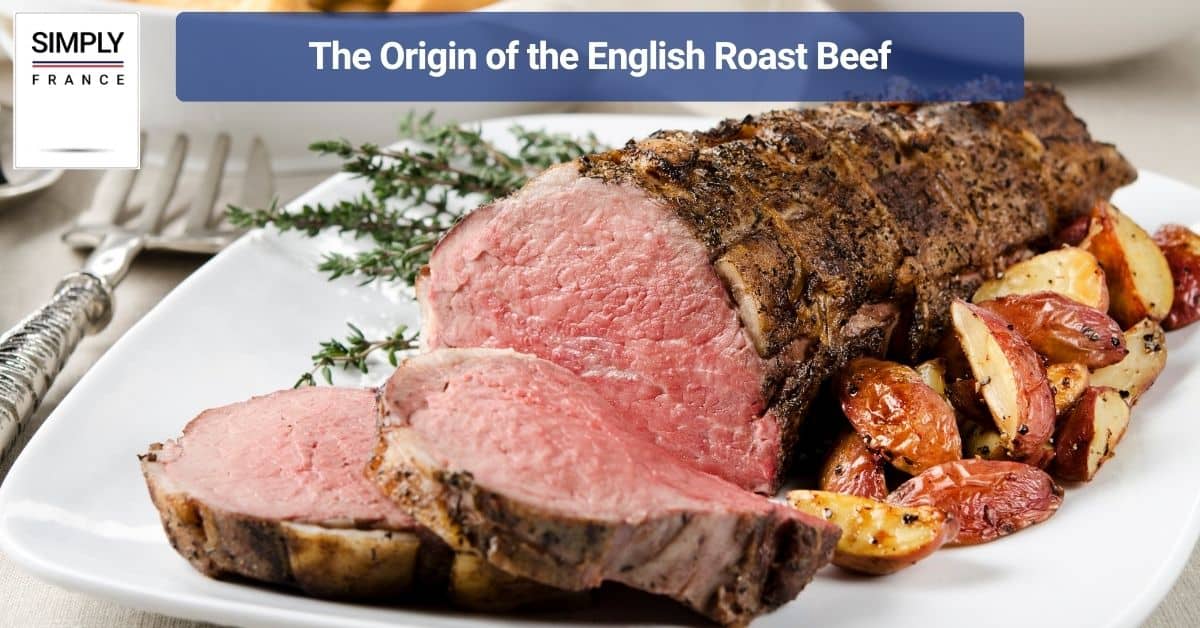
The dish eventually made its way across the English Channel to France. Where it became known as “roast beef” in reference to its English origins. The French adapted the dish to their own tastes, often serving it with sauces and accompaniments that were popular in French cuisine.
Today, English roast beef remains a beloved dish in England. Where it is often served as part of traditional Sunday roast dinners. It is also enjoyed in many other countries around the world. Where it has become a symbol of English cuisine and culinary tradition.
Historical Ties Between England and France
England and France have a long and complex history that dates back centuries. Over the years, the two countries have been allies, enemies, and sometimes both at the same time. The relationship between England and France has been shaped by political, economic, cultural, and military factors.
The historical ties between England and France began in the Middle Ages. When England was ruled by the Plantagenet dynasty, whose members held extensive lands in France. However, the relationship became strained when England lost its territories in France in the Hundred Years’ War (1337-1453). Which lasted for over a century and saw the two countries engage in a series of battles and conflicts.

Despite the wars, England and France have often been important trading partners throughout history. For example, in the 18th century, the French wine trade was of great importance to the English economy. While English wool was highly prized by the French textile industry.
The relationship between England and France has also been characterized by cultural exchanges. French art, fashion, and cuisine have had a significant influence on English culture. While English literature, music, and theater have been admired and imitated in France.
Today, England and France are members of the European Union and NATO. They continue to cooperate on a range of political, economic, and security issues. While the relationship between the two countries has not always been smooth. The historical ties between England and France have had a lasting impact on both nations and their cultures.
The French Perception of English Cuisine
The French have not always had a positive opinion of English cuisine. Which has been influenced by a variety of historical, cultural, and social variables. In general, French people have tended to view English food as lacking in sophistication and flavor being too reliant on meat and potatoes.
One reason for this perception may be that French cuisine has a long and distinguished history, and is widely regarded as one of the finest in the world. French chefs and restaurants have received numerous accolades and awards. French cuisine is known for its use of fresh, high-quality ingredients and complex cooking techniques.
In contrast, English cuisine has often been seen as more practical and straightforward. With an emphasis on hearty, filling dishes that are well-suited to the country’s often-cold climate.
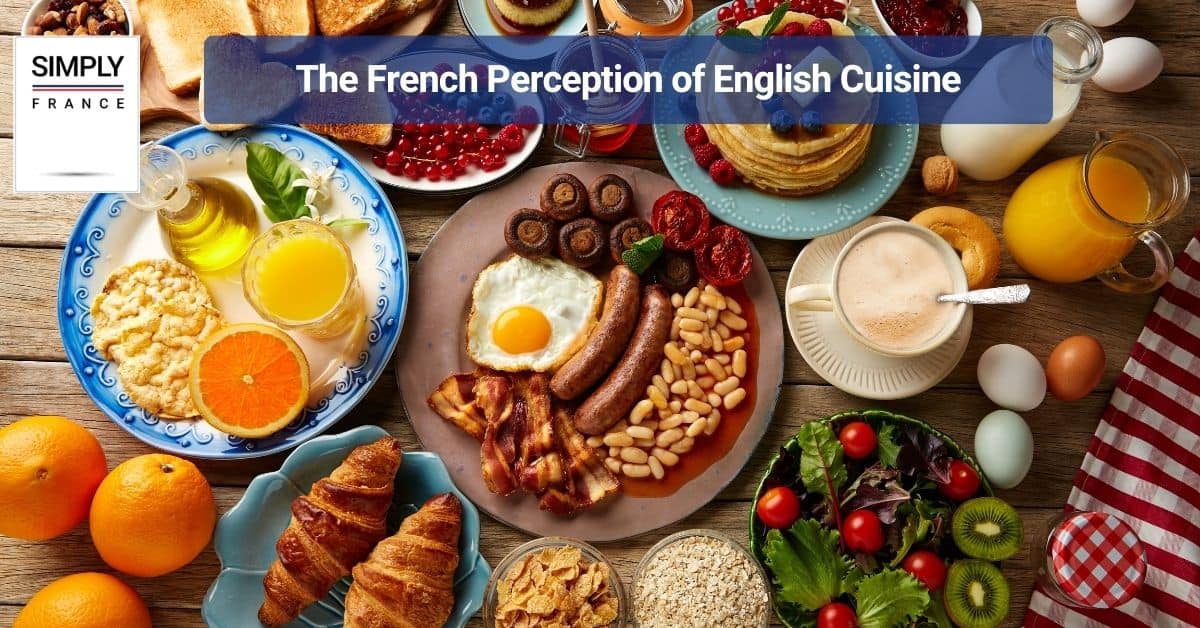
Traditional English dishes such as fish and chips, bangers, and mash. Steak and kidney pie are not always seen as particularly refined or sophisticated by French standards.
However, in recent years, there has been a growing appreciation for English cuisine in France. As more and more French people are exposed to modern, innovative takes on traditional English dishes. London has become a global center for cutting-edge culinary experimentation. Then French foodies are increasingly taking notice of the city’s vibrant restaurant scene.
Furthermore, the rise of international food trends, such as the popularity of craft beer and artisanal cheese. Has helped to highlight the many unique and flavorful dishes that can be found in England. As a result, the French perception of English cuisine may be shifting from one of disdain to one of grudging respect and admiration.
The Role of Culinary Traditions in the Naming of Dishes
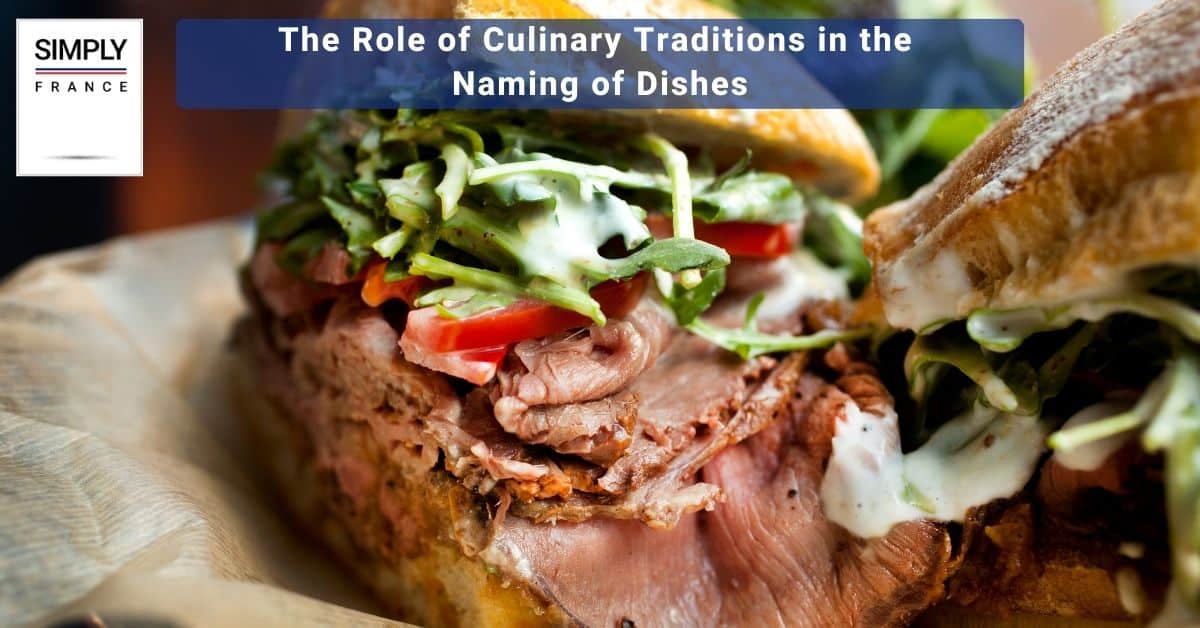
Culinary traditions play an important role in the naming of dishes. As they often reflect the history, culture, and geography of the people who created them. Many dishes are named after the region or country where they originated. After a key ingredient or cooking technique that is central to the dish.
For example:
The dish “paella” is named after the shallow pan in which it is traditionally cooked in Valencia, Spain.
The name “pierogi” comes from the Polish word for “dumpling,” and the dish is a staple of Polish cuisine.
Similarly, the Italian dish “lasagne” is named after the thin sheets of pasta that are layered with meat, sauce, and cheese.
In some cases, the naming of dishes is also influenced by cultural factors, such as religion, social status, or historical events.
For example:
Many Jewish dishes, such as matzo ball soup or challah bread, are named after the specific ingredients or religious customs associated with them.
Similarly, some dishes are named after famous people or events.
For example:
“Beef Wellington” is said to have been named after the Duke of Wellington
“Chicken a la King” is named after a wealthy American family who popularized the dish in the early 20th century.
The role of culinary traditions in the naming of dishes can also be seen in the way that dishes are adapted and transformed as they are introduced to new cultures and cuisines.
For example:
The Indian dish “chicken tikka masala” is believed to have been created in the UK. It combines Indian spices and cooking techniques with British ingredients and tastes.
Cross-Cultural Culinary Influences and Adaptations
People from other cultures connect and share their culinary traditions, which results in cross-cultural influences and adaptations in the culinary realm. This can happen through migration, trade, travel, and cultural exchange. It can lead to the creation of new dishes and culinary techniques that reflect the blending of different cultural influences.
One example of cross-cultural culinary influences and adaptations is the way that Mexican and Spanish cuisines. Have blended in the creation of dishes like “mole poblano,” a sauce that incorporates Mexican chili peppers, spices, and chocolate with Spanish ingredients like almonds and bread.
Similarly, Chinese cuisine has had a significant influence on the development of Japanese cuisine. With dishes like “ramen” and “gyudon” being adapted from Chinese noodle and beef dishes. Japanese cuisine has also influenced Korean cuisine, as seen in the popularity of dishes like “bibimbap” and “ramyeon.”
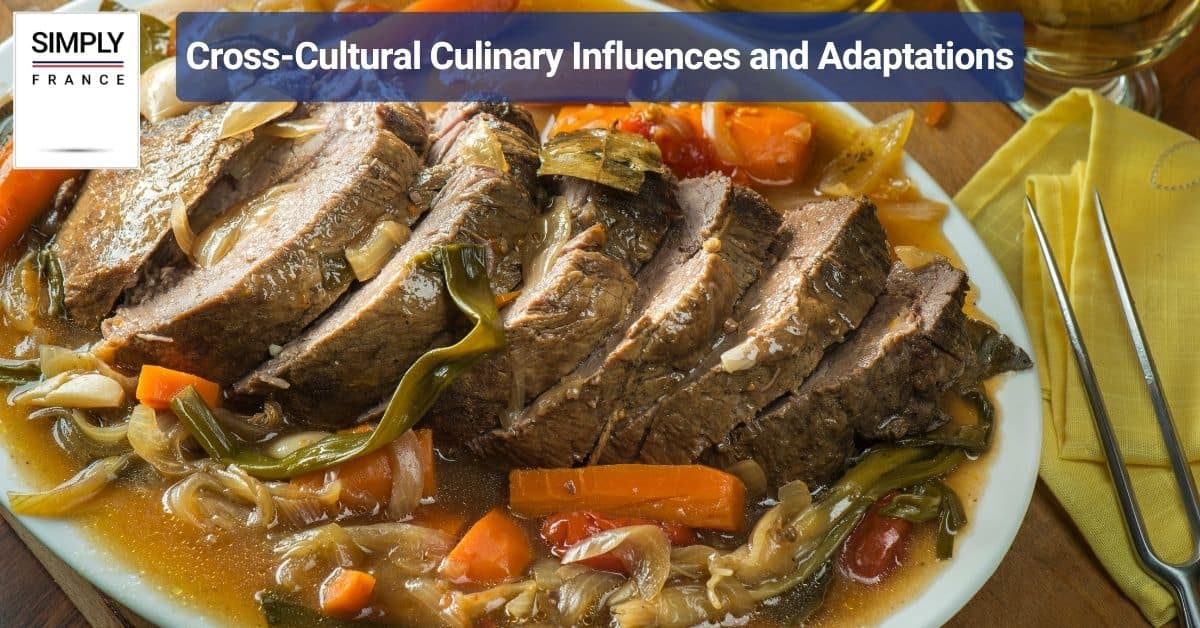
In addition to influencing the creation of new dishes. Cross-cultural culinary influences can also lead to the adaptation of traditional dishes to suit the tastes and ingredients of different cultures. For example, Indian cuisine has been adapted to Western tastes through the creation of dishes like “chicken tikka masala,” which incorporates Indian spices and cooking techniques with British ingredients like cream and tomatoes.
Similarly, American cuisine has been influenced by the culinary traditions of various immigrant groups, leading to the creation of dishes like “taco pizza” and “kimchi burgers.”
Cross-cultural culinary influences and adaptations can also reflect broader social and cultural trends, such as the increasing interest in vegetarian and vegan diets. For example, Indian cuisine has long been known for its vegetarian dishes, and these dishes have become increasingly popular in Western countries as people seek out plant-based alternatives to meat.
In conclusion
The history of English roast beef is filled with cultural, political, and culinary influences that have helped shape the dish as it is known today. From its humble beginnings in 17th century England. To its current status as a beloved symbol of English cuisine worldwide.
Roast beef has been through many changes over the centuries. Meanwhile, cross-cultural culinary influences and adaptations have also played a major role in the evolution of the dish.
As various cultures have blended their own ingredients and cooking techniques to create new dishes that reflect their shared history. As our palates continue to evolve, it will be interesting to see how English roast beef is transformed in the future.