Baby’s Feet Pointing Inward? The Real Story on In-Toeing and How It’s Treated
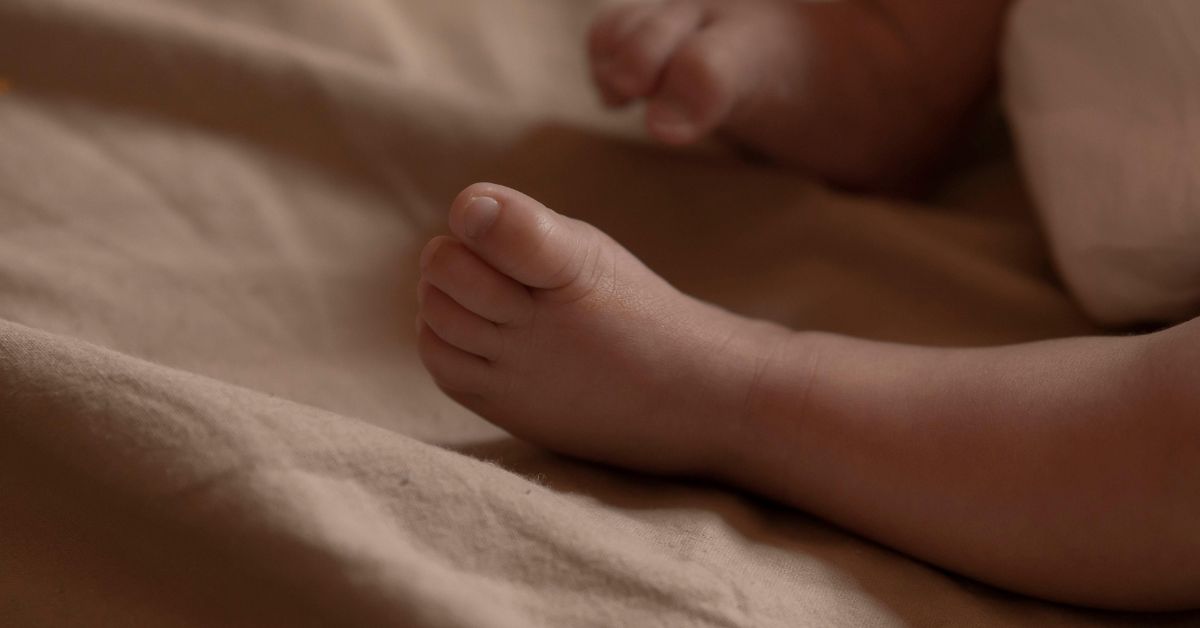
Seeing tiny toes angled inward can look unusual at first, but for most infants and toddlers, this inward foot position is a common, temporary phase. In-toeing, often called “pigeon-toed,” usually reflects how a baby’s bones and muscles are still maturing. In many cases, alignment improves naturally as standing, cruising, and walking take off. With a little knowledge and calm observation, parents can feel confident about what’s typical and what deserves a closer look.
What “pigeon-toed” really means in babies-and why it’s common
In-toeing describes a pattern where a child’s feet, shins, or hips rotate inward so the toes point toward each other. The visual can be striking during early walking, yet the body is often just fine-tuning its alignment. In most healthy babies, the bones are still soft and the ligaments are flexible, so posture changes are expected as growth unfolds. The key is understanding what’s normal by age and how movement practice gradually guides everything into place.
Three main spots can create that inward look: the forefoot (metatarsus adductus), the shin bone (internal tibial torsion), or the upper leg/hip (femoral anteversion). Each has its own typical age window and natural course. Because causes vary, the same “pigeon-toed” appearance can stem from very different anatomy, which is why timing and pattern matter more than the label. A clinician can usually tell which level is involved by watching how the legs swing and how the feet sit when relaxed.
It helps to watch posture in a few positions, like lying on the back, sitting cross-legged, and standing barefoot. Some babies look more in-toed when tired or growing fast, then look straighter a month later. As motor skills expand-from rolling to walking-the brain and body constantly recalibrate alignment, building balance and strength with every wobbly step. That’s why patience, along with regular well-child visits, goes a long way.
Common causes by age: feet, shins, and hips explained
In newborns and young infants, a curved forefoot (metatarsus adductus) is the frequent culprit. This often reflects how the foot sat in a snug uterus and is usually flexible when gently moved. Flexible metatarsus adductus commonly improves through the first 6-12 months as muscles awaken and standing begins. If the foot is rigid or the curve seems pronounced, a pediatric provider may monitor more closely.
From toddlerhood into the preschool years, internal tibial torsion-where the shinbone twists inward-is a classic reason for in-toeing. Kids may trip more simply because toes angle in, not because coordination is poor. This twist often straightens as legs grow longer and gait gets faster, with notable changes between ages 2 and 5. Shoes rarely drive the change; growth and repetition do most of the work.
Later in childhood, femoral anteversion at the hip can show up as an inward-facing kneecap and toes pointing in. W-sitting might be comfortable for these kids because of that hip rotation. Even here, steady improvement is common throughout grade-school years, with the biggest shifts arriving before the teenage growth spurt. Only a small fraction of children with significant functional limits ever need surgical correction.
Signs to watch-and when to chill out
Some variations look dramatic but happen to be well within healthy development. If a child is hitting gross motor milestones and staying active without pain, that’s reassuring. Steady, month-by-month progress-less tripping, more balance, cleaner foot placement-usually signals a normal path of self-correction. Regular checkups help confirm that posture is trending in the right direction.
Red flags are less about appearance and more about function. Persistent pain, limping, or a marked side-to-side difference deserves attention. Noticeable stiffness, a foot that won’t flex into a neutral position, or delays in walking compared with peers also call for a professional opinion. Early evaluation simply brings clarity and a plan.
Helpful cues can make observation easier for caregivers. Keeping notes after growth spurts, recording short clips of walking on different surfaces, and comparing symmetry over time paint a clear picture. Below is a quick checklist of what many caregivers track during this phase, especially across the first years of walking.
- Symmetry: whether both feet point inward the same amount or one looks more curved.
- Flexibility: whether the foot can be gently moved toward a straight line without discomfort.
- Function: tripping frequency, ability to run and climb, and whether fatigue changes posture.
- Pain or swelling: any complaints after activity or visible irritation around joints.
- Trend over time: small monthly changes that suggest gradual, healthy realignment.
Gentle care at home: supportive, everyday habits
Daily routines can quietly support alignment while play drives most progress. Barefoot time on safe, varied surfaces builds foot strength and balance. Short, frequent bursts of practice-couch cruising, floor play, and supervised playground time-are often more helpful than any special gadget. Think of play as the engine that teaches the body where center is.
Simple steps tend to help most families keep care on track. Outside of medical guidance, the everyday focus is comfort, movement, and monitoring change-nothing extreme or complicated. The following sequence lays out a practical, upbeat rhythm many households find doable.
- Prioritize barefoot play on textured, safe surfaces to wake up small stabilizing muscles.
- Rotate activities-balance beams at the park, tiptoe games, and gentle squats during play.
- Check symmetry monthly with a quick photo or short walking video from behind.
- Choose flexible, lightweight shoes that let toes splay and the foot move naturally.
- Share observations at routine checkups so progress and needs stay crystal-clear.
Stretching for a flexible forefoot can be taught by a clinician and done gently during diaper changes or bath time. Some kids love games like “trace a straight line” with toes or “quiet feet” balancing on a pillow. Consistency beats intensity; a calm, playful approach helps kids engage without fuss or fatigue. When in doubt, low-pressure practice wins the day.
Medical treatments for in-toeing, explained plainly
When a foot curve is rigid or progress stalls, a clinician may suggest options beyond observation. For infants with a stiff metatarsus adductus, short casting series can gradually uncurl the forefoot. Bracing may follow casting to hold gains while the foot continues to grow and remodel. In older kids with significant tibial or femoral rotation and real functional limits, surgery is rare but occasionally considered.
Special shoes and wedges once had a moment, but research hasn’t shown strong benefits for most rotational issues. Today’s approach leans on time, growth, and targeted interventions only when clearly helpful. For caregivers who enjoy reading deeper explanations, this overview of pigeon toed treatment for babies breaks down causes, options, and timelines in approachable language. Having that big-picture map can make decisions feel calmer and more confident.
Health professionals typically tailor care to the child’s age, cause, and flexibility. A flexible foot in a new walker is a very different story than a rigid, asymmetric curve in a cruising infant. That’s why an individualized plan, checked periodically, balances “let it mature” with “nudge it forward” at the right moments. The shared goal is simple: comfort, function, and natural alignment over time.
What the research says now about in-toeing
Recent pediatric orthopedic literature continues to emphasize natural resolution for most cases, with selective treatment for stiffer or more limiting patterns. Casting protocols are shorter and gentler than in the past, and surgical thresholds remain high, reserved for meaningful functional impact. Care has become more personalized, evidence-led, and kinder to a child’s routine.
To see the differences more clearly, the table below compares onset, typical natural resolution, usual timelines, and when treatment is considered for each condition.
| Condition | Typical onset | Natural resolution (approx.) | Usual resolution window | When treatment is considered |
|---|---|---|---|---|
| Flexible metatarsus adductus (forefoot curve) | Newborn to 6 months | ~85-90% improve without casting | 6-12 months, sometimes up to 18 months | Rigid curve or limited flexibility; short casting series, then bracing |
| Internal tibial torsion (shin twist) | 1-3 years | ~90% improve naturally | 2-8 years with steady gait refinement | Significant tripping/pain past early school age; rare surgery |
| Femoral anteversion (hip rotation) | 3-8 years | ~80-90% improve as hips mature | 5-10 years, continuing into early teens | Persistent severe rotation with functional limits; surgery uncommon |
| Asymmetric or painful in-toeing | Anytime | Varies | Depends on cause and findings | Earlier imaging or referral to rule out structural issues |
From this table, it’s clear that most kids straighten out with time and play, and only a few need structured intervention. When treatment is used, it’s typically brief, targeted, and aligned with how the child moves day to day. Clear follow-ups keep course corrections smooth and low-stress.
Families can expect guidance that matches the child’s growth curve rather than a one-size-fits-all recipe. Clinical teams now highlight flexible shoes, active play, and close monitoring before recommending devices. This modern, minimalist mindset reduces fuss while protecting long-term function and comfort. It’s a blend of patience and precision that respects development.
Practical FAQs parents ask most about in-toeing
How long does it take to see changes? For many, small shifts show up within months as walking patterns mature. Visible progress tends to come in waves-after a growth spurt or when a child discovers new balance tricks on the playground. If change stalls for several visits, a provider may tweak the plan.
Do shoes fix in-toeing? Supportive footwear can aid comfort, but it rarely “untwists” bones by itself. Lightweight, flexible shoes that let toes spread naturally are generally preferred for exploration and strength. Think of shoes as helpful gear, not the main driver of alignment.
When simple home strategies are organized, staying consistent gets easier. A few smart habits go a long way, and the list below summarizes what many caregivers keep in mind while tracking progress and staying playful. This can serve as a flexible reference, not a rigid rulebook.
- Keep play varied: soft grass, firm floors, balance beams, and gentle climbs.
- Capture brief walking videos monthly from the back and side for comparison.
- Favor rest when legs seem tired; alignment often looks more in-toed with fatigue.
- Stick with flexible shoes; avoid stiff, heavy soles that mute foot feedback.
- Bring notes and questions to checkups to make each visit count.
Choosing a confident path for pigeon-toed care
For most children, a thoughtful, watchful approach is all that’s needed, and the inward turn fades as strength and coordination soar. When care is needed, it tends to be brief, targeted, and kind to everyday life, aiming first at comfort and function. By focusing on steady play, flexible gear, and well-timed check-ins, caregivers can feel calm about choosing the right pigeon-toed treatment path for their child. What starts as a quirky toe angle often becomes just another “remember when” story as those feet carry bigger adventures forward.
Related articles
- Metatarsus Varus in Babies: What Causes It and Does It Ever Need Treatment?~5 min read
- Is My Baby Pigeon Toed? Early Signs, Causes, and When to Seek Help~4 min read
- Windshield Repair vs. Replacement: What’s the Better Choice?~9 min read
- Top 5 Reasons to Choose a Beachfront Apartment in Lefkada for Your Next Vacation~3 min read