Windshield Repair vs. Replacement: What’s the Better Choice?
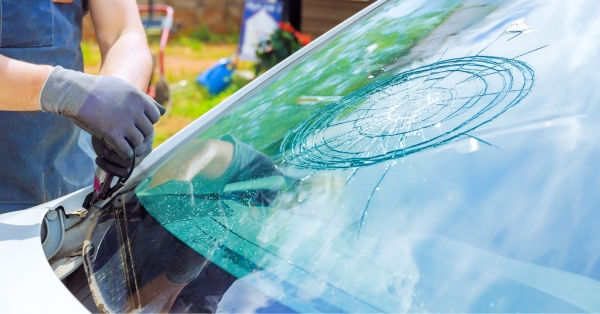
Choosing between a quick repair and a full windshield replacement can feel like a coin toss, but it really comes down to the damage, the technology in the vehicle, and safety. Drivers want a fix that’s safe, fast, and makes financial sense, especially when a crack shows up during a busy week. The good news is that modern glass technology, resins, and calibrations make both options reliable when handled correctly. The trick is knowing which path keeps everyone safer on the road today and in the months ahead.
Tiny Crack or Big Problem? Understanding Windshield Damage and Windshield Replacement in Phoenix
Not all chips are created equal, and a small star break can behave very differently from a long edge crack. Most windshields use laminated glass with a PVB interlayer, so the outer lite can crack while the inner layer still holds, but that doesn’t mean the structure is fine. Damage near the edge, cracks longer than a credit card, or anything that intrudes on the driver’s primary viewing area raise risk levels quickly. Add dirt or moisture inside a crack, and repairs become less effective by the minute.
Impact type matters, too: bull’s-eyes and small star breaks often respond beautifully to resin injection, restoring clarity and strength. Combination breaks, branching cracks, and chips with crushed glass are harder to stabilize fully. If the glass flexes while driving, a hairline fracture can sprawl into a jagged split from a single pothole or heat surge. That’s why early assessment almost always means simpler, cheaper outcomes.
Modern vehicles frequently tuck cameras and sensors behind the windshield for ADAS features like lane centering, adaptive cruise, and automatic emergency braking. Any movement of the glass-even a perfect replacement-can shift those camera angles. Repairs rarely affect ADAS alignment, while replacements often require a post-install recalibration to keep safety systems accurate. Skipping that step risks phantom warnings or missed hazards, and nobody wants to beta-test their brakes at highway speed.
Quick cues that point toward repair or replacement can save time at the curb.
- Small chip (coin-sized or less), clean impact, no spreading lines: likely repairable and fast to fix.
- Crack longer than 6 inches, multiple impact points, or damage at the glass edge: replacement is usually safer.
- Any obstruction in the driver’s central field of view where clarity can’t be restored: replacement over repair.
- Older windshield with pitting, wiper wear, and multiple chips: replacement often improves visibility and safety.
Important to Know
Some “windshield” damage on older trucks or RVs might actually involve specialty glass, which changes both cost and repairability. Laminated fronts are engineered for structural support, while tempered side and rear glass shatter differently and are never repaired-only replaced. If there’s any doubt about the glass type or build, a quick VIN check gives a precise parts picture before anyone touches the vehicle.
Cost, Time, and Convenience: What Drivers Actually Care About Most
Time-to-road matters, particularly for commuters and fleet managers. A clean chip repair can land between 30 and 60 minutes, and vehicles typically drive immediately afterward. Replacements take longer-often a couple of hours for the glass work plus adhesive cure time-and ADAS recalibration can add another segment to the schedule. Mobile service trims the hassle for busy days, and many shops use adhesives that cure faster in heat or with proper humidity control.
Costs have shifted with modern sensors, rain/light modules, HUD glass, and heating elements. Basic repairs remain budget-friendly compared to full replacement, but advanced windshields push parts and calibration investment higher. What looks like “just glass” can be a key safety component tied to cameras and crash-avoidance systems. A smart estimate always includes calibration-even if the final call is “not required” after testing.
Warranty is a real differentiator. Many reputable providers include a lifetime workmanship warranty for replacements against leaks or wind noise, and solid guarantees for repair integrity. That safety net matters months down the road when monsoon rain or desert heat tries to expose shortcuts. Convenience is great, but post-service peace of mind often seals the deal.
Here’s a snapshot of typical 2025 U.S. ranges that drivers actually see, including time estimates and calibration notes, to set realistic expectations before scheduling.
| Service | Typical 2025 Price Range (USD) | Average Service Time | ADAS Calibration | Notes |
|---|---|---|---|---|
| Chip/Small Crack Repair | $90 – $150 | 30-60 minutes | Not needed | Best within days of damage; clarity improves but may not be invisible. |
| Long Crack Repair (limited cases) | $120 – $200 | 45-75 minutes | Not needed | Only for specific crack types; success depends on contamination and length. |
| Standard Windshield Replacement | $300 – $600 | 2-3 hours (+ cure time) | Sometimes | Economy to mid-range vehicles without complex sensors or HUD. |
| Advanced Windshield (HUD/Rain/Heated) | $600 – $1,200 | 3-4 hours (+ cure time) | Often required | Premium glass and options increase parts cost and fitment complexity. |
| ADAS Calibration (Static/Dynamic) | $150 – $500 | 30-120 minutes | Required when specified | Vehicle- and camera-specific; documented results protect safety. |
| Mobile Service Add‑on | $0 – $50 | Varies | N/A | Commonly included by local providers to reduce downtime. |
These numbers aren’t about upsells-they reflect the reality that today’s windshield is an engineered safety system. Factoring calibration, cure times, and warranty turns a vague quote into an apples-to-apples plan that holds up in real life, not just on paper. A clear, written estimate makes the choice between repair and replacement far easier.
Safety First: When Windshield Replacement Is Non‑Negotiable
There are moments when a repair simply cannot restore structural integrity. Cracks that reach the perimeter, damage on both the inner and outer glass layers, or deep impacts that crush the laminate are high-risk. In these cases, the windshield can’t reliably support roof strength or ensure airbag performance, so replacement is the safe move. It’s not about cosmetics; it’s about collision readiness.
Vision is another deal-breaker. If damage sits in the driver’s primary view and a repair would leave distortion, that glass has to go. Optical clarity isn’t a luxury-glare, halos, and micro-warping at night can turn a split-second reaction into a miss. Law enforcement in many states also expects unobstructed visibility, so compliance and safety align here.
Finally, system integrity matters. ADAS cameras demand stable, precise mounting, and a compromised windshield can’t promise that. Even with perfect installation, post-replacement recalibration confirms that digital “eyes” look in the right place. If a vehicle relies on lane-centering or automatic braking, this step is as critical as the glass itself.
Situations that typically demand full replacement look like this:
- Cracks intersecting the windshield edge or spanning more than several inches, especially with branching lines.
- Damage in the driver’s direct sightline where post-repair clarity cannot meet safety standards.
- Delamination, white haze, or moisture intrusion between glass layers indicating structural compromise.
- Multiple chips clustered together or a combination break with crushed glass and contamination.
- Interior-layer damage or any scenario where the windshield can’t reliably support airbag deployment.
Quick Windshield Repair: When a Fast Fix Makes Perfect Sense
Small, clean chips caught early are prime candidates for repair, especially when the impact point is away from the edges and outside the central viewing area. Resin injection halts spreading, improves clarity, and restores a surprising amount of strength for very little downtime. For high-mileage drivers and fleets, that’s the kind of “back-on-the-road” efficiency that pays off.
Repairs also protect the factory seal. The original urethane bond set at the factory is incredibly robust, and keeping that intact is a win when conditions allow. By stabilizing a chip instead of pulling the glass, drivers avoid potential leaks, wind noise, or trim fitment headaches entirely. It’s the surgical approach-minimal intervention, maximum preservation.
Cost control is another perk. When the damage fits within accepted guidelines, the repair charge is usually a fraction of replacement, and many insurers happily authorize it. Several carriers even waive deductibles for qualifying repairs, because stopping a small problem now prevents a bigger claim later. For the daily driver, that’s smart budgeting without sacrificing safety.
Pro Tip
Until the appointment, drivers can keep the break clean and stable by parking in shade and avoiding sudden temperature swings like blasting the defroster on high. A small piece of clear tape over the impact point helps keep debris and moisture out, improving repair results later. Gentle care in the first 24-48 hours can be the difference between a perfect repair and an expanding crack.
Tech, Weather, and Phoenix Realities: What Local Drivers Should Know
Desert heat is no joke for auto glass. Midday temperature spikes expand the glass, and a cool evening can contract it, turning a quiet chip into a dramatic crack overnight. High UV and dust also challenge adhesives, so proper surface prep and cure times matter even more in hot climates. Mobile service helps drivers avoid baking in parking lots while still getting a factory-tight seal.
Local expertise makes life easier, especially when a vehicle has ADAS cameras or premium features like HUD or heated glass. Many Phoenix drivers look for windshield replacement phoenix to find a provider that offers fast quotes, mobile appointments, lifetime workmanship warranties, and ADAS calibration after install. That bundled approach turns a stressful crack into a clean, one-visit solution, with documentation that keeps the safety tech dialed in. It’s convenience without shortcuts.
Quality control shows up later, too-during the first storm or at highway speed with crosswinds. A proper replacement sits flush, seals silently, and returns full rigidity to the body structure. Whether it’s a simple repair or a full glass swap, the final test is how invisible the fix feels once the driver’s back in the flow of traffic. When everything is done right, the windshield simply disappears into the drive.
Windshield Replacement Decision: Choosing the Better Option for Today and Tomorrow
There isn’t a one-size-fits-all answer, but the pattern is clear: repair is ideal for small, clean, stable damage, while replacement is the safer bet for cracks, edge hits, and anything that clouds the driver’s view or risks structural strength. Factoring ADAS needs, cure times, and warranty support turns guesswork into a confident plan. In cities with heat extremes and busy roads, a thorough assessment pays for itself in safety and stress avoided. The right choice is the one that restores clear vision and full protection-so every mile ahead feels calm, sturdy, and uncompromised.
Related articles
- Metatarsus Varus in Babies: What Causes It and Does It Ever Need Treatment?~5 min read
- Is My Baby Pigeon Toed? Early Signs, Causes, and When to Seek Help~4 min read
- Baby’s Feet Pointing Inward? The Real Story on In-Toeing and How It’s Treated~9 min read
- Top 5 Reasons to Choose a Beachfront Apartment in Lefkada for Your Next Vacation~3 min read