Is My Baby Pigeon Toed? Early Signs, Causes, and When to Seek Help
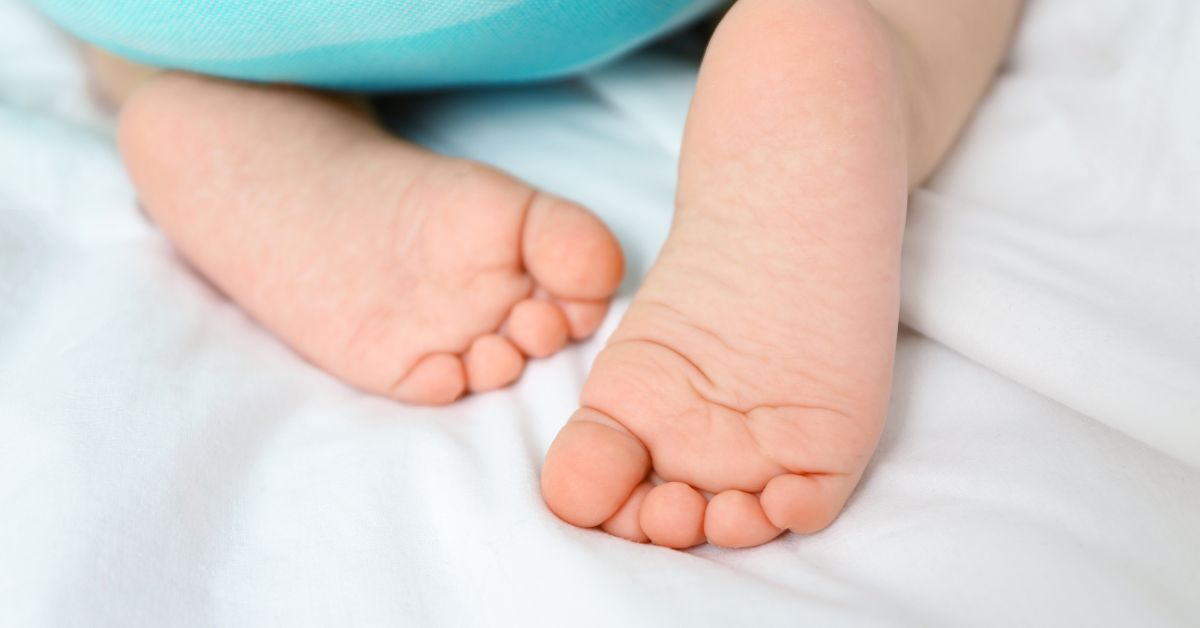
Many parents notice small details about their baby’s posture and movement early on. One common concern is when a baby’s feet appear to turn inward. This inward positioning is commonly known as pigeon-toed, and while it may look unusual at first, it is often a normal part of early development.
Understanding what pigeon-toed alignment means, how to recognize early signs, and when medical advice may be helpful can give parents peace of mind as their baby grows.
What Does Pigeon-Toed Mean in Infants?
A baby is considered pigeon-toed when the feet point inward instead of straight ahead. This condition is also known as intoeing. It can affect one or both feet and may appear when the baby is lying down, kicking, or beginning to stand.
Many parents become concerned when they see this inward foot position. However, most cases are temporary and improve naturally as the baby’s bones, muscles, and joints develop.
Parents who want a deeper explanation of the condition can learn more about pigeon toed in infant development and how it may affect early movement.
Early Signs Parents May Notice
The signs of pigeon-toed alignment can appear during infancy, even before a child starts walking. In many cases, these signs are mild and gradually improve as the baby grows.
Some of the most common early indicators include:
- Feet that point inward while the baby is lying down
- Toes turning toward each other during kicking
- A curved shape along the outer edge of the foot
- Legs that appear to rotate inward when moving
- One or both feet turning inward during early standing
These signs alone do not necessarily mean the condition will persist. Many infants naturally outgrow the inward alignment.
Common Causes of Pigeon-Toed Alignment
Several developmental factors can cause a baby’s feet to turn inward. Most of these conditions are related to normal bone growth and positioning during early childhood.
Metatarsus Adductus
Metatarsus adductus occurs when the front part of the foot curves inward while the heel remains in a normal position. This condition is commonly present at birth and often results from the baby’s position inside the womb.
Because the baby’s feet may be pressed inward during pregnancy, the forefoot may develop a curved shape.
Internal Tibial Torsion
Internal tibial torsion involves inward rotation of the shinbone. This condition may not be obvious until a child begins standing or walking, but the alignment can already exist during infancy.
Many children with tibial torsion naturally grow out of the condition as their legs strengthen and rotate outward over time.
Femoral Anteversion
Femoral anteversion occurs when the thighbone rotates inward at the hip joint. This can cause both the knees and feet to point inward.
Although it is more noticeable in toddlers and preschool-aged children, the underlying alignment may develop earlier.
Is Pigeon-Toed Alignment Normal?
In most cases, pigeon-toed alignment in infants is completely normal and does not cause long-term problems. As babies grow and begin to crawl, stand, and walk, their bones gradually shift into proper alignment.
Natural movement plays a key role in this process. Kicking, stretching, crawling, and walking help strengthen the muscles and joints that guide the legs into a straighter position.
Because of this natural correction, doctors often recommend simple observation rather than immediate treatment.
When Parents Should Seek Medical Advice
Although most cases are harmless, there are situations where a pediatrician should evaluate the condition.
Parents may want to seek medical advice if:
- The foot cannot be gently straightened
- One foot turns inward much more than the other
- The inward position appears severe
- The condition worsens over time
- The child experiences pain or difficulty moving
A pediatric evaluation can help determine whether the condition is flexible and likely to improve naturally.
How Doctors Diagnose Pigeon-Toed Conditions
Doctors usually diagnose pigeon-toed alignment through a physical examination. The pediatrician will observe the baby’s foot position and gently check how flexible the foot and leg joints are.
They may also examine the baby’s hips, knees, and legs to identify where the inward rotation originates.
In most cases, imaging tests are not required unless another condition is suspected.
Supporting Healthy Foot Development
Parents can help support healthy leg and foot development by encouraging natural movement and flexibility.
Some helpful practices include:
- Allowing plenty of floor play and kicking movement
- Encouraging tummy time and crawling activities
- Avoiding tight or rigid footwear
- Letting babies spend time barefoot when appropriate
These activities help strengthen muscles and support normal alignment as the baby grows.
Treatment Options if Needed
If the condition does not improve over time, doctors may recommend treatment depending on the cause and severity.
Possible treatments may include:
- Gentle stretching exercises
- Orthotic braces designed to guide alignment
- Serial casting for more rigid foot conditions
Surgery is extremely rare and usually considered only if the condition persists into later childhood and interferes with walking.
Conclusion
Seeing your baby’s feet turn inward can be concerning at first, but pigeon-toed alignment is often a normal part of early development. In many cases, the condition improves naturally as babies grow stronger and become more active.
By recognizing early signs, understanding possible causes, and knowing when to seek medical advice, parents can feel more confident supporting their child’s healthy growth and movement during these early stages of development.
Related articles
- Metatarsus Varus in Babies: What Causes It and Does It Ever Need Treatment?~5 min read
- Baby’s Feet Pointing Inward? The Real Story on In-Toeing and How It’s Treated~9 min read
- Windshield Repair vs. Replacement: What’s the Better Choice?~9 min read
- Top 5 Reasons to Choose a Beachfront Apartment in Lefkada for Your Next Vacation~3 min read