Curious Feet: Understanding In-Toeing in Kids and Getting Diagnosis and Care Right
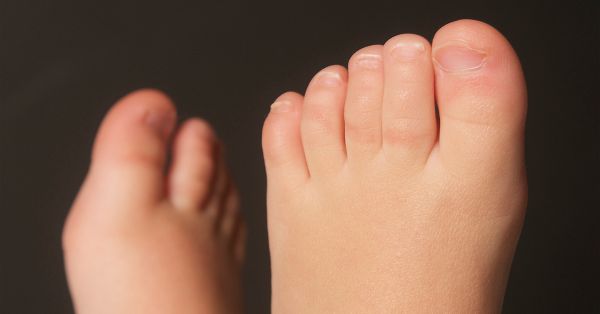
When a child’s toes point inward while walking, it can spark plenty of questions-and a little worry. The good news is that this inward foot angle is common in childhood, and it usually improves on its own with time and growth. Knowing what it is, what causes it, and when to seek help turns guesswork into a solid plan. Here’s a friendly, evidence-informed tour through the essentials so those little steps feel a lot less mysterious.
What exactly is in-toeing-and why do little feet point inward?
In-toeing describes a walking pattern where the feet turn toward the midline, so the toes point inward with each step. It often becomes noticeable when toddlers start cruising and running because the gait is wobbly and quick. Parents may hear comments about “pigeon toes,” but that label only describes how it looks, not what’s going on underneath. The key idea: in-toeing is a postural pattern, not automatically a problem.
Several normal childhood variations can lead to an inward foot angle, including the shape of the foot at birth, the twist of the shinbone, or the natural rotation of the thighbone. The pattern can run in families, and it often shows up more clearly when kids are tired, barefoot, or rushing around. Most of the time, balance, running, and climbing keep improving alongside it. As bones grow and muscles strengthen, alignment typically straightens without any special devices.
It’s also worth clearing up a big myth: special shoes, inserts, or braces rarely speed up natural correction in otherwise healthy children. Comfortable, flexible shoes are fine, and going barefoot on safe surfaces helps kids feel the ground and practice balance. If a product promises a quick fix, that’s a red flag more than a solution. Time, growth, and play are usually the best tools in the box.
Typical causes across ages: from baby toes to school-age strides
Many guides break down causes of in-toeing by age because each stage of growth has its usual suspects. In babies in the first 1-2 years, the foot itself may curve inward (metatarsus adductus), often linked to how the foot rested before birth. In toddlers and preschoolers, inward twist of the shinbone (internal tibial torsion) is common and tends to improve as the child grows taller. By early school age, the most frequent reason shifts higher up the leg.
From about ages 3-8, tibial torsion often fades; then femoral anteversion-an inward rotation of the thighbone-can take center stage. Kids with anteversion may sit comfortably in the “W” position and prefer running with toes angled in. They usually have great joint flexibility and can move quickly, even if the gait looks a bit turned in. Anteversion peaks around early grade school and typically eases by late childhood.
Less commonly, neurological or muscular conditions can influence foot progression angle and balance. That’s why the full picture-development, coordination, and symmetry-matters more than any single snapshot. When function, comfort, and growth track normally, conservative care is generally the best fit. Persistent pain, asymmetry, or regression calls for a closer look.
How clinicians diagnose in-toeing: simple checks that reveal a lot
Evaluation starts with a story: pregnancy and birth details, milestones like walking, and whether the pattern is getting better, worse, or staying the same. A clinician observes the child walking and running, looking at stride length, balance, and how the feet line up with each step. They also check symmetry from side to side because unequal patterns can hint at a different cause. Observation plus a few measurements usually answers the big questions.
The exam often includes a “rotational profile”-looking at hip rotation, the thigh-foot angle, and the foot itself. Hip inward and outward range of motion, the angle of the shin, and the alignment of the forefoot all map to the likely cause. It’s quick, it’s hands-on, and it’s painless. Most kids don’t need X-rays for typical in-toeing, because bones and growth plates tell their story clearly on exam.
Core steps many clinicians use in the exam:
- Watch walking and running from the front, side, and back to note foot progression angle.
- Measure hip rotation with the child lying prone to gauge femoral anteversion.
- Check the thigh-foot angle for tibial torsion while knees are bent.
- Assess the forefoot curve for metatarsus adductus and test flexibility with gentle stretching.
- Screen neuromuscular tone, reflexes, and symmetry if red flags appear.
Imaging comes into play when the story doesn’t fit the usual pattern, there’s pain, or function is slipping. Photos or short videos of the child’s everyday walking can help, especially if the clinic visit is on a “good day.” The diagnostic goal is simple: identify the level of rotation-foot, shin, or thigh-and confirm whether it’s a normal variant or something that needs targeted care.
Treatment options: from watchful waiting to targeted therapy
For most children, the plan is measured patience: give growth time to do the heavy lifting. Simple home habits-active play, barefoot time on safe surfaces, and varied sitting positions-support natural alignment. Caregivers can gently discourage prolonged W-sitting without turning it into a big deal. No magic shoe or insert beats biology when the variation is within the normal range.
Physical therapy can help if flexibility is tight, balance is lagging, or tripping is frequent. A therapist might coach fun drills that build hip and core strength, improve single-leg control, and make gait steadier. Night splints and rigid braces have limited evidence for typical cases, and they can frustrate kids more than they help. Therapy should feel like play, not punishment.
Important to know
Serial casting can help a stiff metatarsus adductus when the foot doesn’t correct with gentle stretching, especially in younger infants. Surgical options-like derotation osteotomies-are reserved for older kids with significant, persistent rotation that limits function or causes tripping despite time and therapy. Decisions weigh age, severity, and impact on daily life. When intervention is chosen, it’s for function first, not cosmetics.
Milestones and timelines parents can expect
Timelines matter because they set expectations and reduce worry. Each common cause of inward foot posture has a typical window for improvement, and those windows guide when to watch versus when to act. The big theme: more than a calendar date, function, comfort, and a steady trend toward better alignment tell the story. Most kids walk their way to straighter strides without drama.
Here’s a compact look at age windows, common causes, and the usual course-handy enough to keep on the fridge.
| Age range | Common cause | Typical course | Helpful home approach | Consider referral if | Notes |
|---|---|---|---|---|---|
| 0-2 years | Metatarsus adductus (curved forefoot) | Often flexible and improves by 12-24 months | Gentle stretching, barefoot play, flexible shoes | Foot is rigid, painful, or clearly worsening | Serial casting for stiff cases can help |
| 1-4 years | Internal tibial torsion (shin inward twist) | Gradual improvement through preschool years | Active play, balance games, patience | Frequent falls, asymmetry, or pain | Braces rarely needed in typical cases |
| 3-10 years | Femoral anteversion (thigh inward rotation) | Peaks early school age, eases by late childhood | Strength, coordination, varied sitting | Severe tripping, social/functional limits | Surgery reserved for persistent, significant cases |
From this table, it’s clear that most inward-pointing gaits mellow with growth, and function keeps trending up. Parents can expect fewer stumbles, smoother running, and feet that naturally turn outward a bit more over time. If the pattern bucks that trend-or pain or asymmetry shows up-an expert look keeps things on the right path. Think of it as guiding growth, not forcing it.
When to seek specialist care: red flags you shouldn’t ignore
While the usual story is reassuring, certain signs deserve earlier attention. Sudden pain, night waking from leg discomfort, or limping need a timely check. So does a big difference between the two legs, or a history of injuries from frequent tripping that isn’t improving. When the pattern impacts play, school, or confidence, it’s worth a closer look.
Key red flags to watch for:
- Persistent or worsening pain, especially one-sided or waking a child at night.
- Marked asymmetry between legs or a noticeable limp.
- Developmental delays, unusual stiffness or weakness, or regression in skills.
- In-toeing that clearly worsens after age 8-10 rather than holding steady or improving.
- Frequent falls that limit participation despite time and practice.
Some children with neuromuscular conditions can show different gait mechanics that call for tailored support. In those cases, a pediatric specialist team may add imaging, bracing, or therapy that targets the root cause. Clear goals-fewer falls, longer play without fatigue, happier stairs-keep care on track. Function, not just alignment, drives smart decisions.
For appointments, a quick prep helps: bring videos of walking and running, everyday shoes with visible wear patterns, and notes on what makes things better or worse. That snapshot speeds up diagnosis and makes the plan more personal. The outcome families want-steady, joyful movement-usually lines up with what the body is already trying to do. Growth plus guidance is a powerful duo.
Wrapping up: making sense of in-toeing and next steps
In the big picture, most childhood in-toeing is a normal variation on the path to a confident gait. Causes shift with age-from foot to shin to thigh-and so does the usual timeline for improvement. When comfort is good and function is blossoming, time and play carry the day. Care becomes proactive only when the story strays from that reassuring script.
Parents can stack the deck by encouraging barefoot time on safe ground, playful balance work, and a mix of sitting positions that don’t overdo the W. Flexible shoes and kid-powered activity beat rigid gadgets for typical cases. A quick check-in makes sense if pain, asymmetry, or slowing progress shows up. Small steps in daily routine can add up to big wins over months and years.
Think of in-toeing as a chapter in growing up, not the headline. With watchful eyes and smart, light-touch support, kids usually stride into later childhood with smoother, straighter steps. And if the path needs a nudge, a targeted plan keeps the focus where it belongs-on comfort, confidence, and the freedom to move. That’s the destination every caregiver is cheering for.
Related articles
- UNFO Foot Brace Explained: A Parent’s Guide to Sizes, Pricing, and What’s Included~7 min read
- Marketing digital : pourquoi votre budget ne détermine pas vos résultats~5 min read
- The Eternal Light, Still Burning: Honoring Huvy Elisha’s Living Legacy in Jewish Art~8 min read
- The Evolution of Embossing Technology~2 min read