The Evolution of Embossing Technology
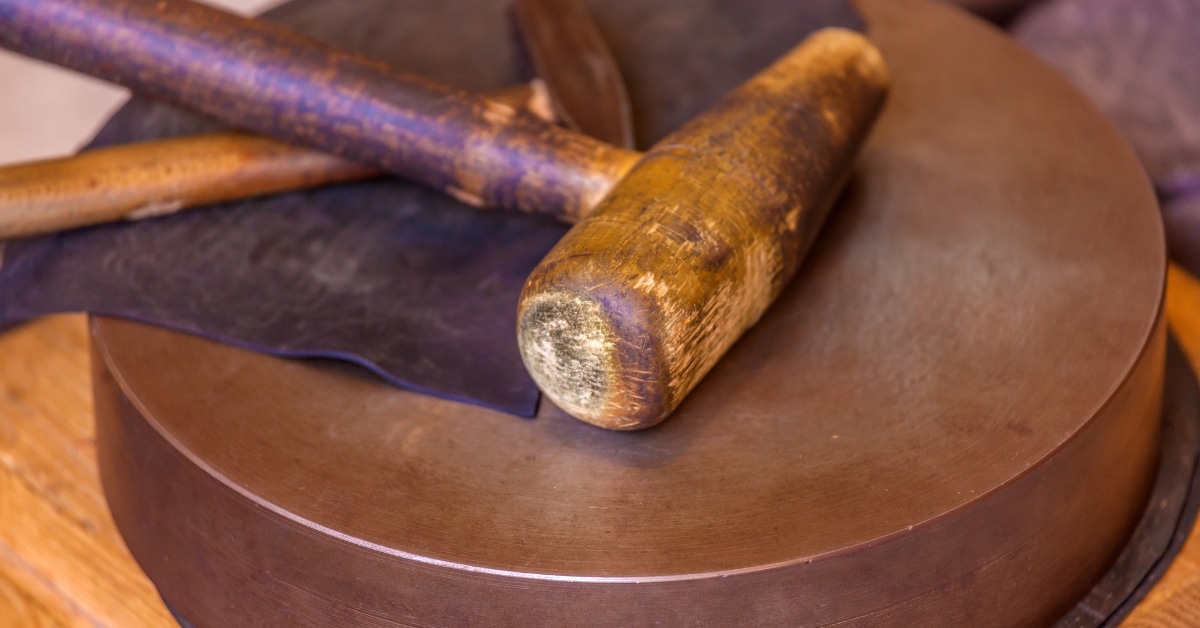
Have you ever marveled at the intricate details on a centuries-old book cover or admired the elegant raised lettering on a luxury product? That’s the artistry of embossing, a technique with a rich history that continues to evolve and captivate us today.
But how has this ancient craft transformed into the cutting-edge technology we see in modern industries? Let’s delve into the fascinating evolution of embossing.
The Origins of Embossing
Embossing traces its roots back to ancient civilizations, where artisans meticulously crafted raised designs on materials like clay, leather, and metal. These early techniques involved manual tools and meticulous craftsmanship, resulting in exquisite works of art that have stood the test of time.
The Rise of Industrial Embossing
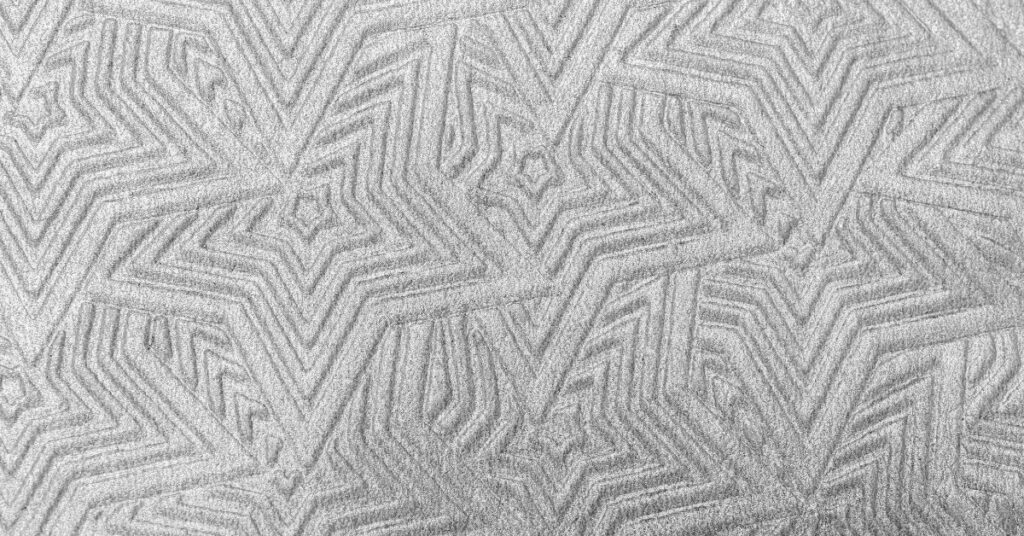
The Industrial Revolution brought about a significant shift in embossing technology. The invention of the printing press and advancements in machinery enabled the mass production of embossed materials, making them more accessible to a wider audience. This led to the proliferation of embossed products in various industries, from publishing and packaging to fashion and stationery.
The Digital Age of Embossing
The advent of digital technology revolutionized the embossing landscape. Computer-aided design (CAD) software and digital embossing machines enabled greater precision, customization, and efficiency. This allowed for the creation of intricate designs that were previously difficult or impossible to achieve with traditional methods.
Modern Embossing: A Multifaceted Tool
Today, embossing is more than just a decorative technique. It’s a versatile tool used across industries for a wide range of applications. In packaging, embossing adds a touch of luxury and enhances brand recognition. Modern Embossing Solutions by Gold Letter offer cutting-edge technology that revolutionizes the embossing process, making it more efficient and accessible than ever before.
In security printing, it plays a crucial role in creating counterfeit-resistant documents. Braille production provides tactile information for visually impaired individuals. And in the realm of personalized products, it allows for unique customization that resonates with consumers on a deeper level.
The Future of Embossing
As technology continues to advance, the possibilities for embossing are limitless. We can expect to see even more innovative applications in fields like 3D printing, microfluidics, and smart materials. Embossing will continue to play a pivotal role in enhancing product aesthetics, functionality, and security, shaping the way we interact with the world around us.
In Conclusion
Embossing has come a long way from its humble beginnings. You see, what was once a labor-intensive craft has changed into a sophisticated technology with far-reaching applications. As we look to the future, it’s clear that embossing will continue to play a vital role in various industries, pushing the boundaries of creativity, functionality, and personalization.
Related articles
- UNFO Foot Brace Explained: A Parent’s Guide to Sizes, Pricing, and What’s Included~7 min read
- Marketing digital : pourquoi votre budget ne détermine pas vos résultats~5 min read
- Curious Feet: Understanding In-Toeing in Kids and Getting Diagnosis and Care Right~9 min read
- The Eternal Light, Still Burning: Honoring Huvy Elisha’s Living Legacy in Jewish Art~8 min read